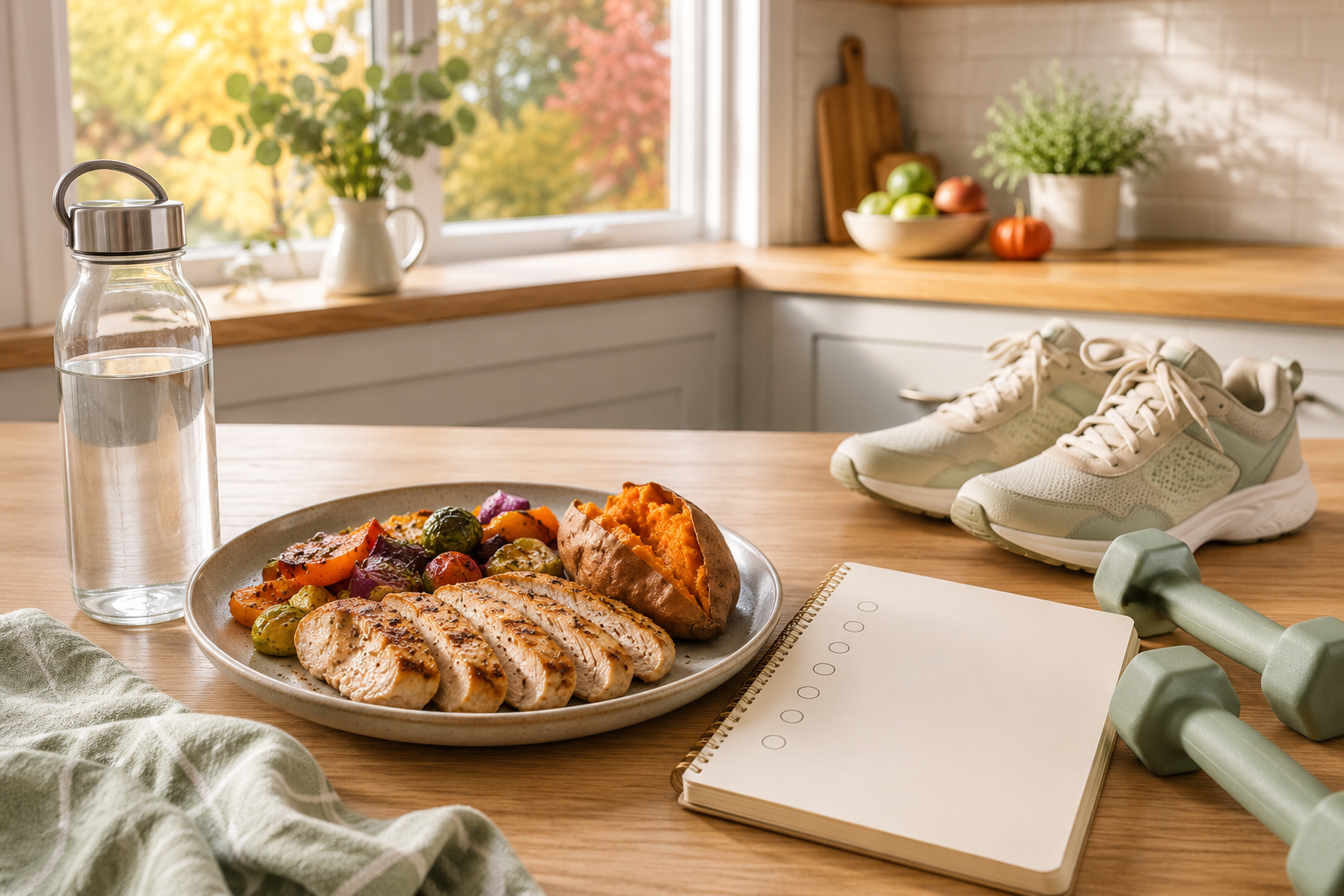



The September Reset: 5 Habits to Get Your Health Back on Track
Summer is a wonderful time for vacations, cookouts, travel and a little more flexibility—but by September, many people are ready to return to a healthier routine. If your workouts became inconsistent, meals were more spontaneous or social events happened more often than usual, you don’t need to feel guilty or start an extreme diet.
A September reset isn’t about starting over. It’s about returning to the simple habits that help you feel stronger, more energized and more in control of your health. Here are five places to begin.
1. Reestablish a Consistent Eating Schedule
Long summer days, travel and changing schedules can make eating times unpredictable. You may skip meals, grab snacks on the run or eat dinner much later than usual. Returning to a more consistent schedule can help stabilize your energy, reduce cravings and prevent mindless evening snacking.
Try to eat breakfast, lunch and dinner at approximately the same times each day. If you need a snack, plan one that contains protein and fiber rather than waiting until you are overly hungry. Your schedule doesn’t have to be perfect—it simply needs to be predictable enough to support better choices.
2. Bring Protein Back to the Center of Your Meals
One of the most common things I see with clients is that they are eating plenty of healthy foods but not enough protein. Fruit, oatmeal, salads and vegetables are nutritious, but they may not keep you satisfied or provide enough protein to maintain muscle.
Include a quality protein source at every meal. Eggs, Greek yogurt, cottage cheese, chicken, turkey, grass-fed beef, wild-caught fish, tofu, tempeh and a high-quality protein shake are all good options. Beginning the day with a protein-rich breakfast can be especially helpful for controlling hunger and maintaining steady energy throughout the day.
Protein becomes even more important as we age because it helps preserve muscle, support metabolism and maintain strength. A good general goal is approximately 25 to 35 grams at each main meal, although individual needs will vary.
3. Plan a Few Simple Meals Before the Week Begins
You don’t need an elaborate meal-prep session or seven completely different dinners. Choose three or four simple meals and make sure you have the ingredients available. Sheet-pan meals, slow-cooker recipes, grilled protein with roasted vegetables, healthy salads and leftovers can make busy evenings much easier.
You can also prepare a few basics in advance, such as hard-boiled eggs, washed vegetables, cooked chicken or turkey, quinoa and individual portions of nuts. When healthy food is ready and visible, you are far more likely to eat it.
Before grocery shopping, take a few minutes to look at the week ahead. Consider which nights will be busy, when you may be eating out and when leftovers can be used. A small amount of planning can prevent a week of last-minute decisions.
4. Return to Regular Movement—Especially Strength Training
If your exercise routine became less consistent over the summer, resist the urge to make up for it by doing too much too quickly. Start with an amount you can maintain and gradually build from there.
Schedule your workouts the same way you would schedule any other important appointment. Aim for regular walking or other cardiovascular activity, along with strength training at least two or three times per week. Strength training helps preserve muscle, support bone health, improve insulin sensitivity and maintain a healthy metabolism.
Remember that movement doesn’t have to happen all at once. A 10-minute walk after a meal, a short strength workout or a few movement breaks during the workday all count. Consistency will take you much further than an overly ambitious plan you cannot sustain.
5. Rebuild Your Evening and Sleep Routine
Healthy habits don’t end when dinner is over. Sleep affects appetite, cravings, recovery, energy and your ability to make good decisions the following day.
Begin by returning to a consistent bedtime and wake time. Dim the lights in the evening, limit late-night screen use and create a relaxing wind-down routine. Try to finish dinner a few hours before bed and avoid relying on alcohol to help you relax, since it can disrupt sleep quality even when it initially makes you feel sleepy.
If you wake up tired despite spending enough time in bed, look at your stress level, exercise recovery, room temperature and evening routine. Better sleep often begins with what you do during the hours leading up to bedtime.
Your Reset Does Not Have to Happen Overnight
You don’t need to tackle all five habits at once. Choose the one that would make the biggest difference in how you feel and begin there. Once that habit feels more consistent, add another.
The goal is not to be perfect throughout September. It is to create a routine that supports your health even when life becomes busy. Small actions repeated consistently are what lead to lasting results.
If you’re ready to get back on track but aren’t sure where to begin, I can help you create a personalized nutrition, exercise and lifestyle plan that fits your goals and your real life. With the right strategy and daily accountability, this September reset can become a healthy routine that lasts well beyond fall.
Ready to take the next step toward better health? If you’re looking to lose weight, improve your energy, lower inflammation, or simply create healthier habits that fit your lifestyle, let’s talk. Schedule a complimentary Compatibility Call to learn how my personalized nutrition and fitness coaching can help you reach your goals.
👉 Schedule your Complimentary Compatibility Call